
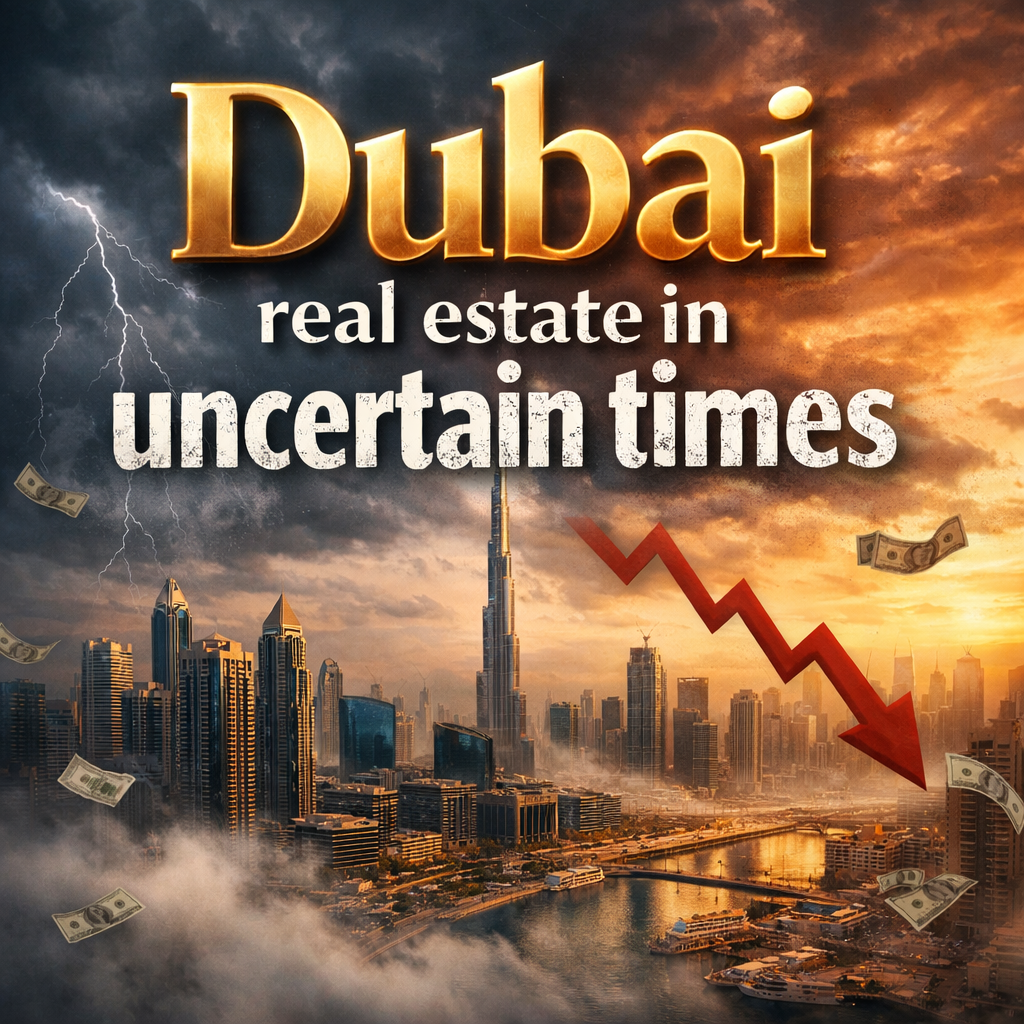
Uncertainty changes behavior.
But it doesn’t eliminate opportunity.
In markets like Dubai, uncertainty does something more important:
It separates momentum-driven investors from strategy-driven ones.
What uncertainty actually does to real estate
During stable periods:
- Capital moves quickly
- Risk is often underpriced
- Decisions are driven by optimism
During uncertain periods:
- Capital becomes selective
- Risk is examined more carefully
- Decisions slow down—but improve in quality
This shift is already visible.
Transactions don’t stop.
They become more intentional.
Demand doesn’t disappear—it changes shape
One of the biggest misconceptions is that uncertainty kills demand.
In Dubai, demand often repositions rather than declines.
- End-users become more active
- Long-term investors replace short-term flippers
- Institutional capital moves more carefully—but continues moving
At the same time, global investors facing instability in other regions often increase exposure to Dubai.
Why?
Because relative stability becomes more valuable when the world feels unstable.
Price vs Value: the gap widens
In uncertain conditions, the difference between price and value becomes clear.
- Average assets begin to slow
- Overpriced inventory struggles
- Strong assets in prime locations hold—or continue growing
This is where many investors get caught.
They assume “the market” is moving in one direction.
It isn’t.
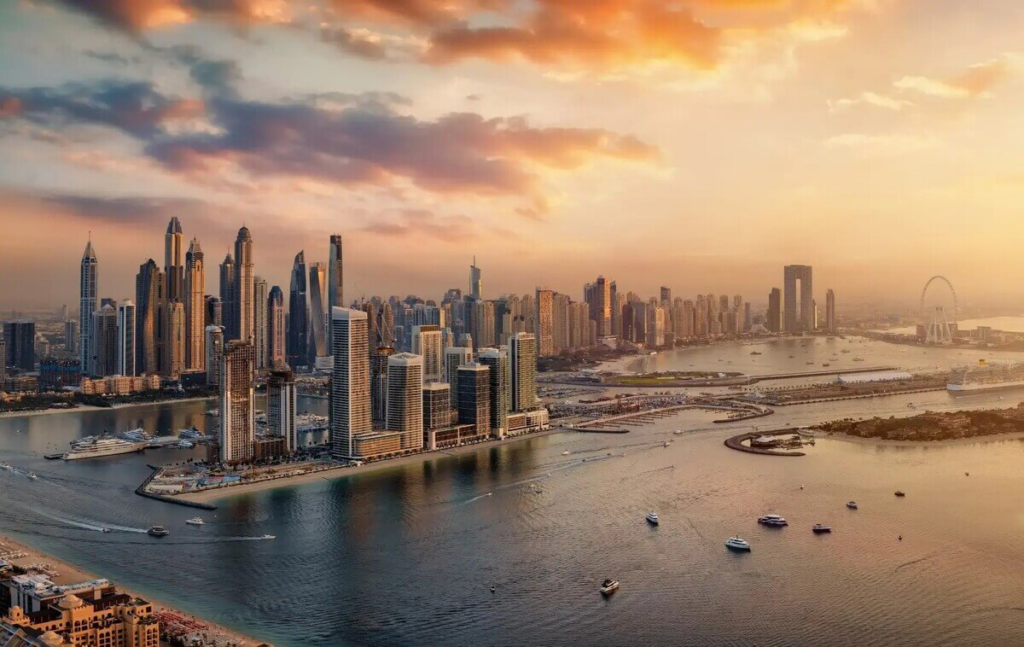
Dubai is not one market. It is many micro-markets.
Off-plan vs Ready: risk becomes visible
Uncertainty exposes structural differences between asset types.
Off-plan:
- Longer time horizon
- Developer risk
- Capital locked over time
- Dependent on future market conditions
Ready properties:
- Immediate income
- Clear valuation
- Lower execution risk
- Greater liquidity
In stable markets, both can perform.
In uncertain markets, the difference is not returns—it is risk tolerance and timing.
Liquidity becomes more important than yield
In bullish cycles, investors chase yield.
In uncertain cycles, they prioritize:
- Exit flexibility
- Cash flow reliability
- Capital preservation
This is where poorly structured investments struggle.
High returns on paper mean little if:
- You cannot exit efficiently
- You face banking friction
- Your ownership structure limits flexibility
The hidden risk: structure, not property
Most investors look at:
- Location
- Price
- Developer
Very few look at:
- Ownership structure
- Banking alignment
- Legal positioning
In uncertain times, these hidden layers become critical.
Because when pressure appears, assets don’t fail first—structures do.
Why Dubai still attracts capital
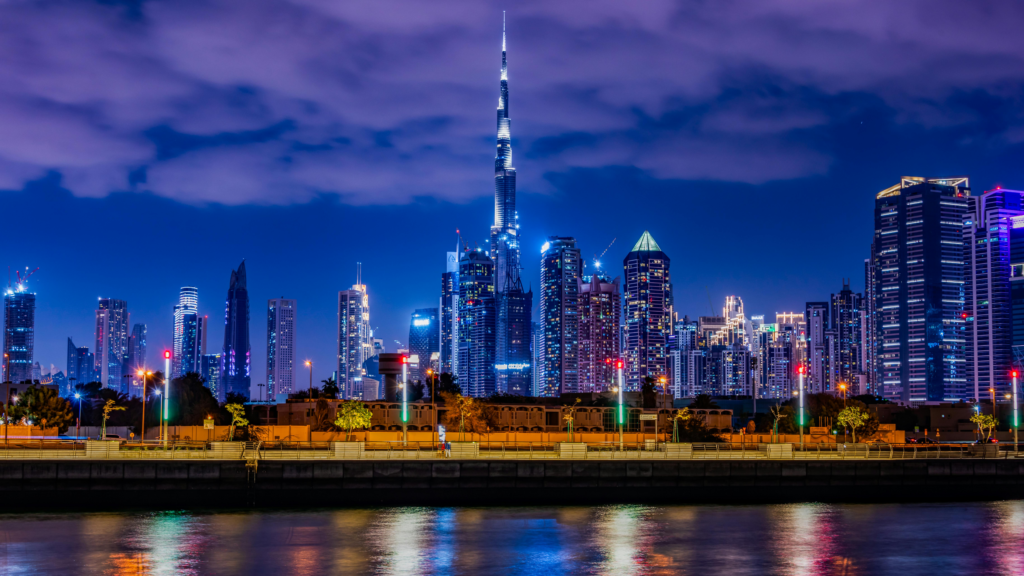
Even during global uncertainty, Dubai holds a unique position:
- No personal income tax
- Strong currency stability
- High rental demand
- Global connectivity
- Political and economic resilience
For many investors, it is not about chasing upside.
It is about protecting capital in a system that remains functional when others slow down.
A different kind of investor emerges
Uncertain periods don’t stop investment.
They change who invests and how.
- Less speculation
- More due diligence
- Longer time horizons
- Stronger focus on structure
This is when disciplined investors gain advantage.
Final perspective
Dubai real estate does not become weak in uncertain times.
It becomes less forgiving.
Quick decisions carry more risk.
Poor structuring becomes visible.
Short-term thinking gets exposed.
But for investors who:
- Align structure
- Understand timing
- Focus on quality
Uncertainty is not a threat.
It is an entry filter.
discreet advisory note
MU Private Office works with a limited number of investors acquiring and structuring real estate in Dubai during periods of market uncertainty—focusing on risk alignment, liquidity, and long-term positioning before transactions are executed.
→ Request consideration for a private real estate strategy review