
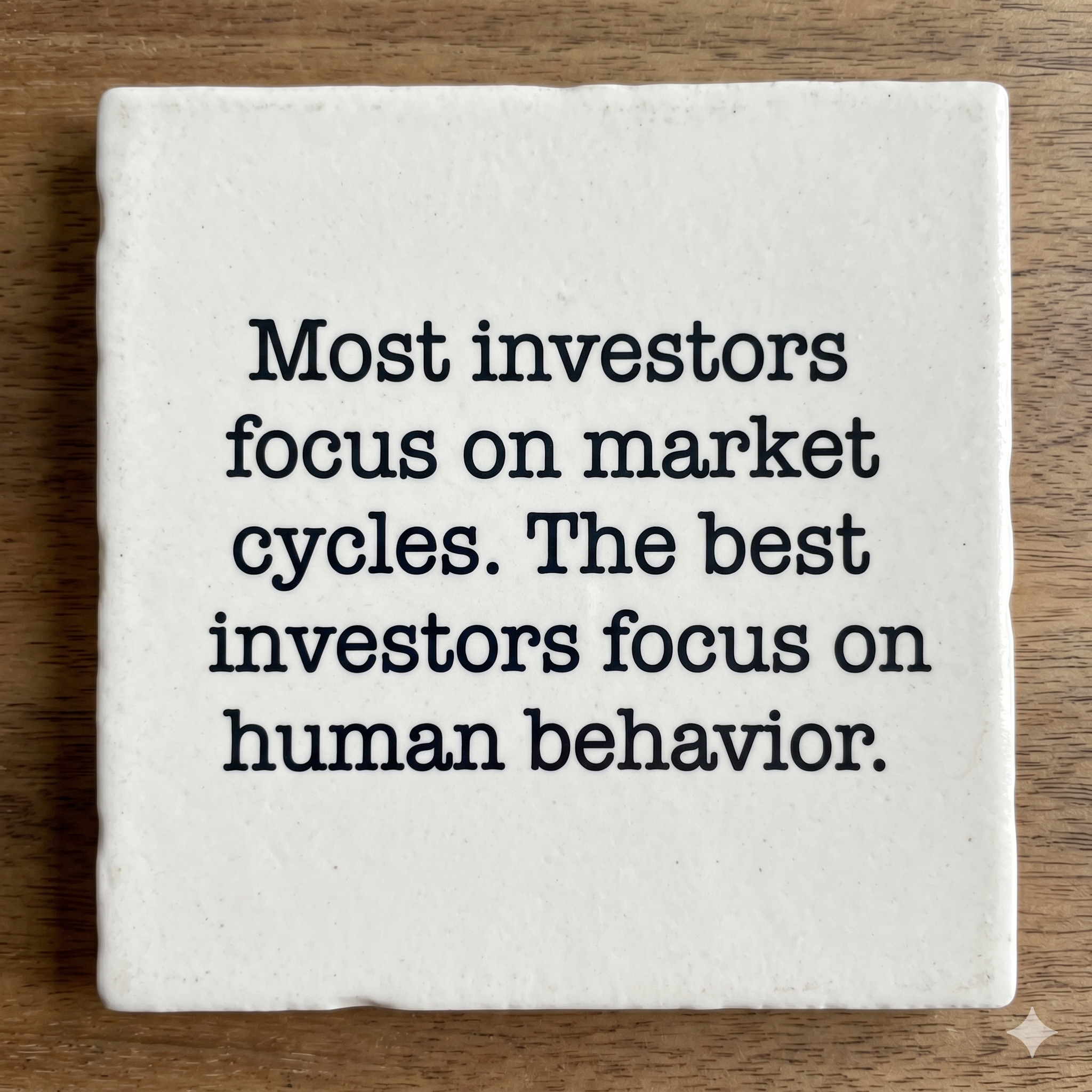
The best investors focus on human behavior
Every investment cycle creates a new narrative.
Interest rates rise.
Markets slow.
Sentiment shifts.
Headlines become louder.
Most investors spend their time trying to predict what happens next.
The best investors focus on something far more stable:
Human behavior.
Because while markets change constantly, human behavior changes remarkably little.
And over the long term, understanding people often proves more valuable than predicting cycles.
Cycles are temporary. Human needs are permanent.
Every decade brings different economic conditions.
But people continue searching for the same things:
- Security
- Opportunity
- Stability
- Mobility
- Quality of life
These motivations existed twenty years ago.
They exist today.
And they will exist twenty years from now.
Sophisticated investors understand that wealth is often created by positioning capital where these needs are most likely to be fulfilled.
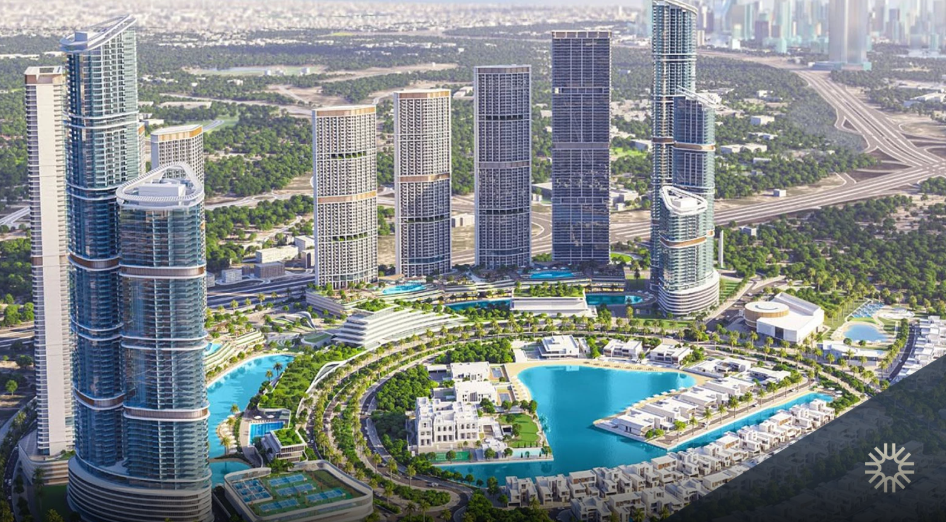
The strongest investments follow migration
People rarely move randomly.
They relocate toward:
- Better opportunities
- Better business environments
- Better education
- Better safety
- Better lifestyles
When people move, demand follows.
Demand creates:
- Housing needs
- Commercial activity
- Business formation
- Infrastructure growth
The smartest investors often follow migration patterns before they follow market trends.
Because people create markets.
Markets do not create people.
Why some cities continue attracting capital
Certain cities consistently attract investment even during periods of uncertainty.
Not because they are immune to cycles.
But because they continue attracting people.
When talented individuals, entrepreneurs, and families choose a location, capital usually follows.
This is one reason why cities such as Dubai continue attracting global attention.
The investment story is not just about property.
It is about human movement.
Fear and greed never disappear
Market cycles are often driven by two emotions:
Fear.
And greed.
They appear in every generation.
When markets rise rapidly, investors fear missing out.
When markets weaken, investors fear participating.
Both reactions are emotional.
The best investors recognize these patterns and avoid making decisions based solely on sentiment.
Instead, they focus on fundamentals that remain intact regardless of temporary psychology.
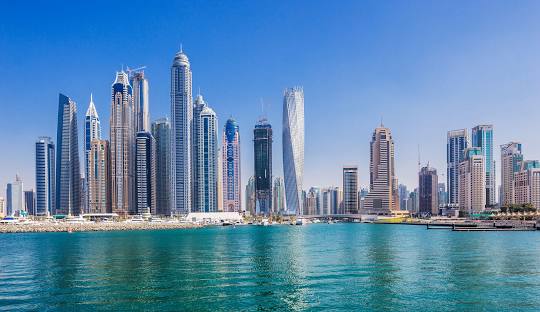
Long-term desirability matters more than short-term pricing
Many investors ask:
“Where can I find the cheapest opportunity?”
Sophisticated investors ask:
“Where will people want to live ten years from now?”
Those are very different questions.
The first focuses on price.
The second focuses on demand.
And demand is ultimately driven by human behavior.
Cities that continue attracting people tend to create value over time.
Great investors study incentives
People respond to incentives.
Entrepreneurs move where business is easier.
Families move where life feels secure.
Professionals move where opportunity exists.
Capital moves where these groups choose to go.
Understanding these incentives often provides more insight than analyzing short-term market movements.
Why human behavior creates durable investment themes
Some investment trends disappear quickly.
Others last for decades.
The most durable themes are usually connected to fundamental human decisions:
- Where to live
- Where to work
- Where to build businesses
- Where to raise families
- Where to preserve wealth
These decisions shape demand long after headlines change.
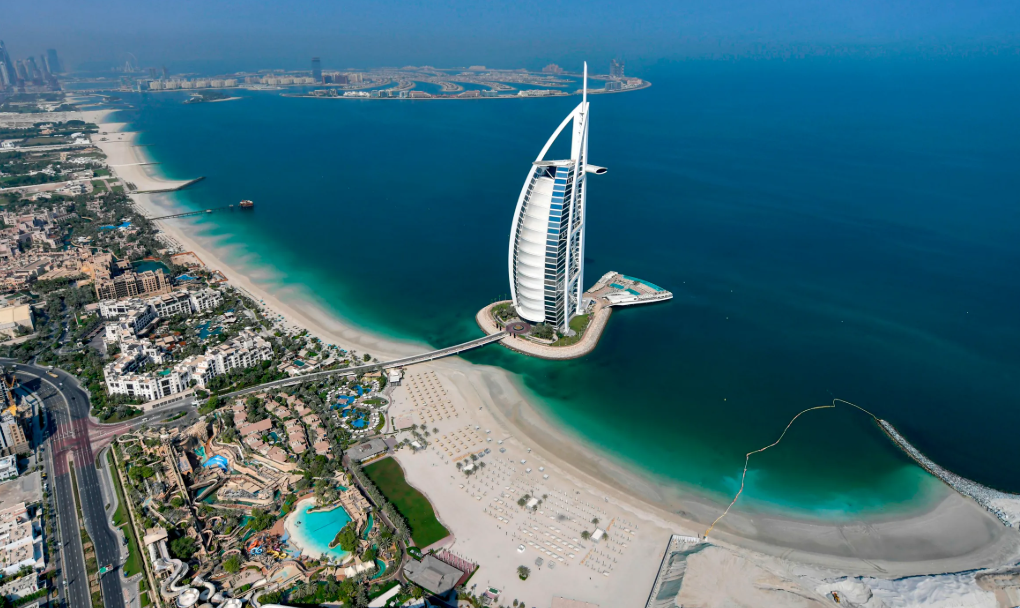
The market is not the story
Many investors become obsessed with market forecasts.
But markets are often the result, not the cause.
The deeper story is usually about people.
What they value.
Where they move.
How they adapt.
And which environments they trust.
Those forces tend to influence long-term outcomes far more than short-term market predictions.
Final perspective
Market cycles matter.
But they are temporary.
Human behavior is persistent.
The investors who consistently outperform are often not the ones who predict every cycle correctly.
They are the ones who understand where people want to live, work, invest, and build their future.
Because in the end, wealth is rarely created by chasing headlines.
It is created by understanding the forces that drive people—and positioning capital accordingly.
discreet advisory note
MU Private Office works selectively with investors evaluating long-term positioning in markets shaped by demographic shifts, capital migration, and enduring demand drivers rather than short-term market sentiment.
→ Request consideration for a private strategic review