
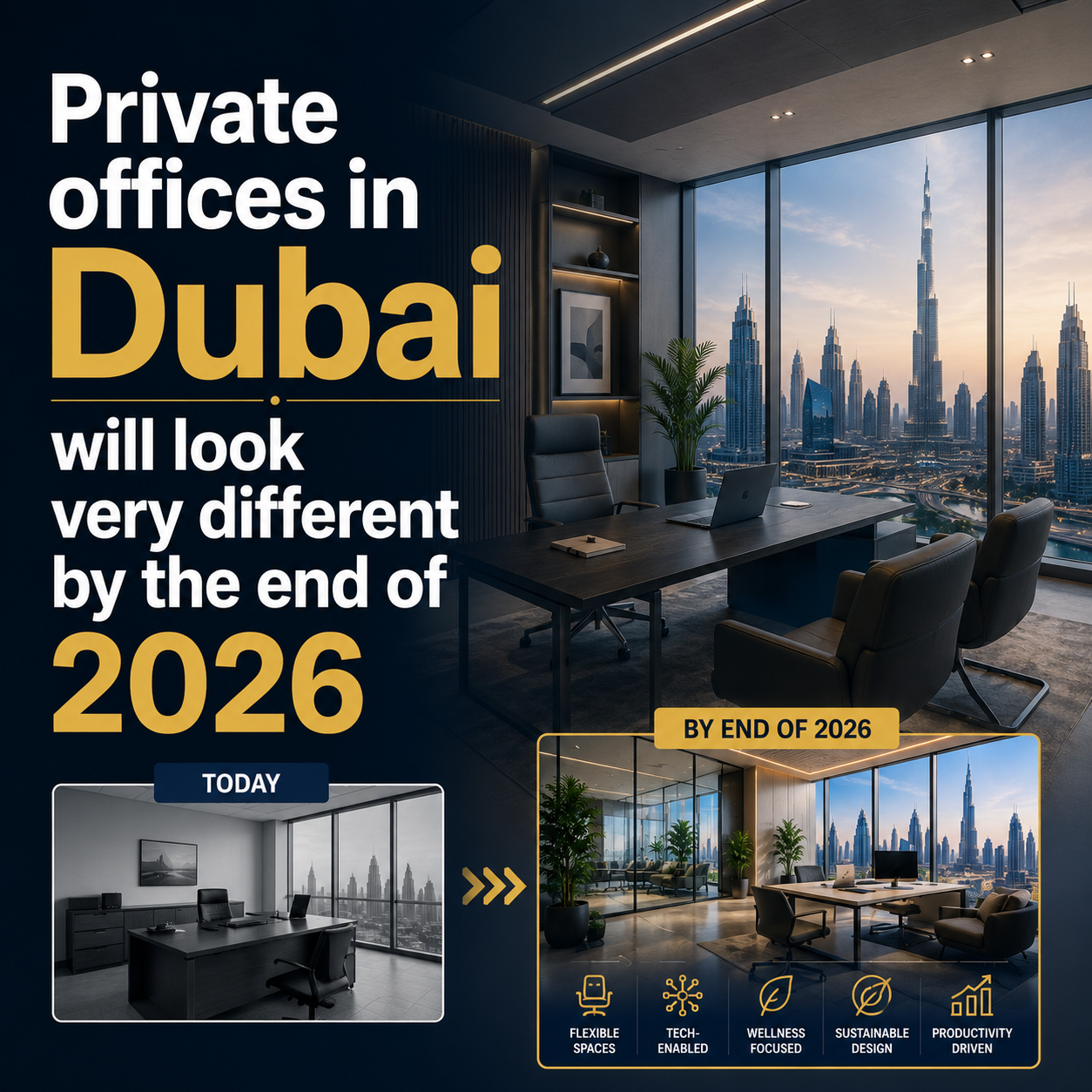
from wealth management to long-term strategic coordination
Over the last decade, Dubai has become exceptionally successful at attracting capital.
But by the end of 2026, something more important will define the city’s evolution:
Dubai is no longer simply becoming a place where wealthy families invest.
It is becoming a place where they structure permanence.
That shift changes the role of the private office entirely.
What was once focused primarily on wealth management is evolving into something broader:
- governance
- jurisdictional positioning
- cross-border coordination
- family continuity
- long-term strategic oversight
The modern private office in Dubai will not function as a financial accessory.
It will operate as an institutional command structure for globally mobile families.
1. From wealth management to full coordination
Traditional wealth management focused largely on:
- portfolio performance
- banking
- investment allocation
But sophisticated families increasingly require something more integrated.
Today, decisions around:
- residency
- operating businesses
- real estate
- tax positioning
- succession
- jurisdictional exposure
are all interconnected.
Managing them separately creates fragmentation.
As a result, private offices are evolving into centralized coordination structures—aligning multiple layers of family capital and operations within a single strategic framework.
The role is becoming less transactional and far more architectural.
2. Dubai is becoming a jurisdictional base—not just an investment market
A subtle but important shift is taking place.
The conversation used to be:
“What should we buy in Dubai?”
Increasingly, it is becoming:
“How should Dubai fit into the family’s global structure?”
This distinction matters.
Families are now evaluating Dubai as:
- a residency base
- a governance jurisdiction
- a regional headquarters
- a long-term asset protection environment
The city’s appeal is no longer limited to opportunity.
It is increasingly about jurisdictional positioning and operational stability.

3. Direct opportunities are becoming more relationship-driven
As institutional capital enters the market more aggressively, access dynamics are changing.
The highest-quality opportunities are becoming increasingly private and relationship-based.
Particularly in:
- ultra-prime real estate
- logistics
- private credit
- infrastructure-linked assets
The difference is no longer access to information.
It is access to:
- trusted networks
- aligned counterparties
- disciplined judgment
In this environment, private offices increasingly function as strategic filters—not just intermediaries.
4. Confidentiality is becoming more valuable
As wealth visibility increases globally, sophisticated families are becoming more selective about exposure.
Public positioning, data leakage, fragmented advisory relationships, and unnecessary visibility create risk.
This is driving demand for:
- quieter structures
- controlled communication
- discreet coordination
- limited-access advisory relationships
In many cases, discretion itself is becoming a form of protection.
Private offices that understand confidentiality operationally—not just cosmetically—will become increasingly valuable.
5. The rise of institutional family offices
The informal “family assistant” model is disappearing at the highest level.
What is emerging instead are fully institutionalized private office structures with:
- governance systems
- reporting frameworks
- investment oversight
- cross-border structuring
- long-term capital allocation models
These are not lifestyle operations.
They are operating systems for multi-generational capital.
Dubai’s ecosystem is now mature enough to support this evolution.

Why this shift matters
This transition signals something deeper about Dubai itself.
The city is no longer attracting only opportunistic capital.
It is attracting:
- permanence
- family relocation
- operational headquarters
- strategic residency
- generational planning
That changes the nature of the ecosystem entirely.
Short-term markets attract transactions.
Long-term jurisdictions attract structures.
Dubai is increasingly becoming the latter.
A quieter evolution
Interestingly, many of these discussions remain private.
The most sophisticated families are not publicly announcing:
- restructures
- relocations
- jurisdictional shifts
But behind the scenes, conversations are increasingly centered around:
- governance
- continuity
- long-term alignment
- strategic positioning
That is where the real evolution is happening.
Final perspective
By the end of 2026, private offices in Dubai will likely look fundamentally different from what most people imagine today.
Less transactional.
More institutional.
Less reactive.
More strategic.
Because Dubai is no longer simply attracting wealth.
It is becoming a place where global families choose to structure their future.
discreet advisory note
MU Private Office works selectively with internationally mobile families and principals structuring long-term positioning in Dubai, aligning governance, residency, banking, and investment oversight within a discreet, integrated framework.